
Research
Acoustophoretic tissue engineering
Vascularization with acoustics
- Principle
- Create microvasculature by locally aggregating blood vessel cells in a row using
surface acoustic wave (SAW)
- Create microvasculature by locally aggregating blood vessel cells in a row using
- Research contents
- Optimize the formation of capillaries by altering the physical environment of vascular cells
- Collaborative research with the medical school to develop a patient-specific cell therapy testing platform
- Figures
- Acoustic techniques for fabricating vascular tissues
- Artificial vessels for tissue regeneration
- Vascularization of patient-derive dcancer organoids
- Fluorescent bead perfusion in vascular studies
Acoustic techniques for fabrication
of vascular tissuesArtificial vessels for tissue regeneration
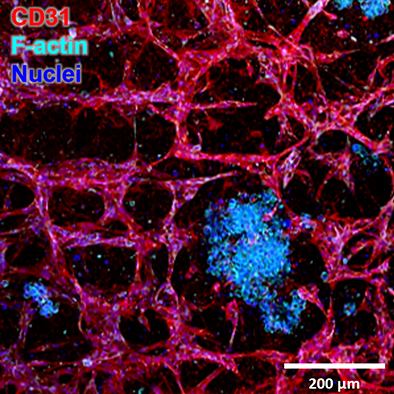
Vascularization of patient-derived
cancer organoidsFluorescent bead perfusion in vascular studies
Functional tissues using acoustic cell patterning
- Principle
- Fabrication of functional tissues for therapeutic application
- Research contents
- Geometric alignment and aggregation of cells using acoustofluidic techniques
- Enhancement of functions of therapeutic cells, such as stem cells, by the acoustic arrangement of cells
Principle of aggregating various cells using standing waves
Functional artificial muscle tissue fabricated using acoustic waves
Artificial vascular tissue construct
- Principle
- Regulation of geometry and structure of artificial vascular tissue using acoustic wave
- Research contents
- Manipulating acoustic wave by adjusting resonance frequencies
- Noninvasive alignments of mammalian cells using surface acoustic wave (SAW)
- Quantitative analysis of the geometry and structure of artificial tissue
- Application as a drug testing platform
- Figures
- Real-time observation of aligned cell movements
- Structure of patterned blood vessels
Real-time observation of aligned cell movements
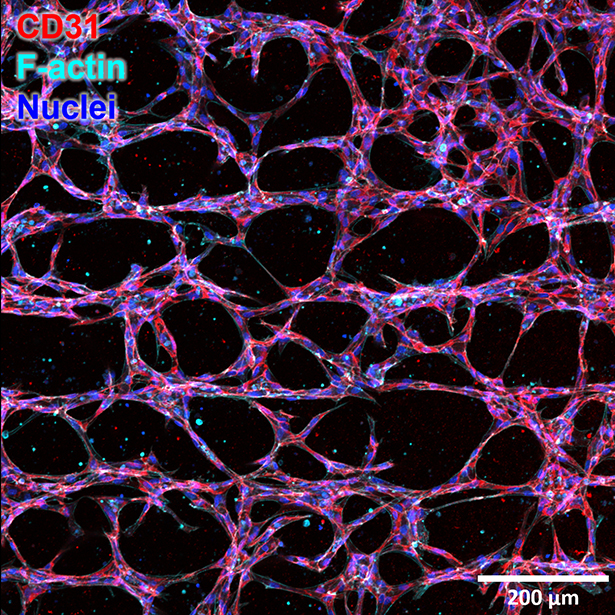
Structure of patterned blood vessels
Blood vessel-on-a-chip for biomechanics
- Principle
- Development of acoustophoretic 3D microvascular platforms that recapitulate biomechanical environments
- Research contents
- Analysis of the influence of pressure gradients on in vitro blood vessel constructs
- Characterization of the biomechanical properties of blood vessel tissues
- Design of various hydrogel scaffolds to enhance cell-matrix interactions for the long-term maintenance of blood vessels
- Figures
- A schematic illustration of dynamic biomechanical environments
- Fluorescent microbead perfusion test for functionality of blood vessel
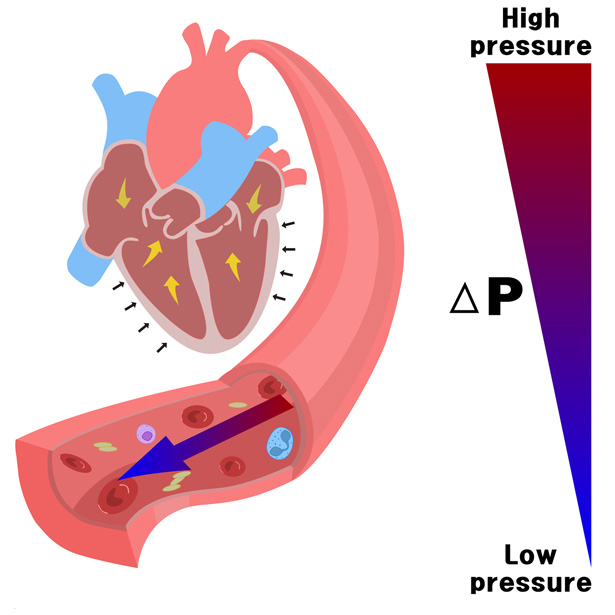
A schematic illustration of dynamic biomechanical environments
Fluorescent microbead perfusion test for assessing the functionality of blood vessels

office : 82-2-2123-5824 labatory : 82-2-2123-4624 이메일 : hyungsuk@yonsei.ac.kr
Copyright © MSML. Designed by WebSite.co.kr